Buy enlargeyourmuscle.eu ?
We are moving the project
enlargeyourmuscle.eu .
Are you interested in purchasing the domain
enlargeyourmuscle.eu ?
domain@kv-gmbh.de · 0541-91531010
Buy enlargeyourmuscle.eu ?
How can the pelvic floor muscle be strengthened?
The pelvic floor muscle can be strengthened through exercises such as Kegels, which involve contracting and relaxing the muscles in the pelvic floor. It is important to perform these exercises regularly and consistently to see improvement. Additionally, maintaining a healthy weight, avoiding constipation, and practicing good posture can also help strengthen the pelvic floor muscle. Consulting with a healthcare provider or a physical therapist for personalized guidance and exercises can be beneficial in strengthening the pelvic floor muscle effectively. **
What is muscle trembling during strength training?
Muscle trembling during strength training, also known as muscle tremors or muscle shakes, is a common occurrence during intense or challenging workouts. It is often a result of the muscles being pushed to their limits and fatigued. Muscle trembling can be a sign that the muscles are working hard and adapting to the stress placed on them. It is a natural response of the body to the increased demand for strength and endurance during exercise. **
Similar search terms for Uplift-Essentials-Pelvic-Muscle
Top-Angebote
Products related to Uplift-Essentials-Pelvic-Muscle:
-
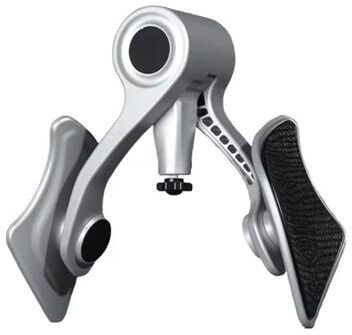
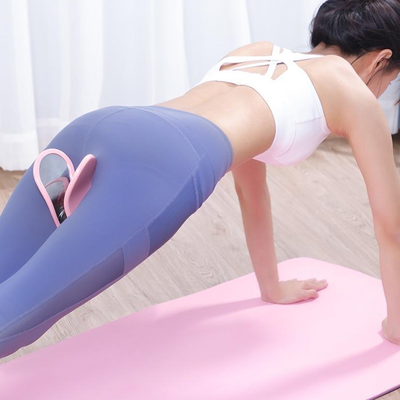
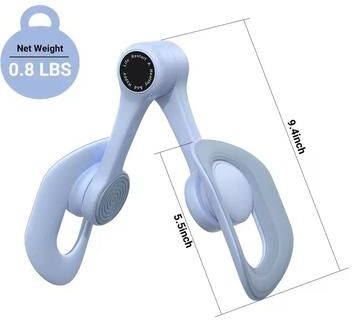
Uplift Essentials Thigh Trainer Pelvic Floor Muscle Exerciser Inner Thigh Workout Device blueStrengthen and tone your inner thighs and pelvic floor muscles with this Thigh Trainer Exercise Device. Compact and versatile, this fitness tool is perfect for Pilates, pelvic floor training, and lower body workouts at home or on the go. Improve...106,95 $*Shipping: 0,00 $Secure redirect to the provider
-
Inspired Finds Kegel Fitness Pelvic Muscle Trainer Home Exercise Equipment For Strengthening Pelvic Floor & Buttocks blackStronger muscles mean a stronger foundation for your health and confidence. The Kegel fitness equipment is designed to help both men and women strengthen their pelvic floor, improve posture, and tone buttock muscles from the comfort of home. Compact...73,99 $*Shipping: 0,00 $Secure redirect to the provider
-
Uplift Essentials Electric Kegel Exerciser For Women Pelvic Floor Muscle Strengthening Device Electric Kegel Exerciser For Women Pelvic Floor Muscle Strengthening DeviceEmpower your pelvic health with this electric Kegel exerciser, designed to strengthen pelvic floor muscles and support bladder control, postpartum recovery, and overall core wellness. Using lowfrequency electrical stimulation, this incontinence...132,87 $*Shipping: 0,00 $Secure redirect to the provider
-
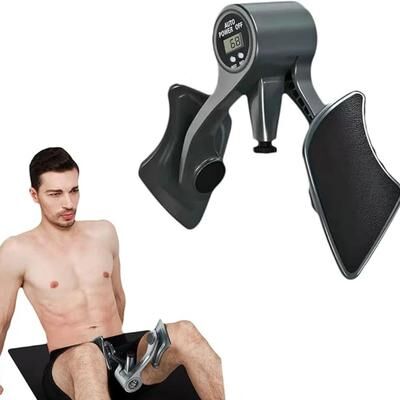
Uplift Essentials Pelvic Muscle Trainer Kegel Fitness Exerciser For Home Workout blackImprove your strength, posture, and confidence with our pelvic muscle trainer, designed for both men and women to target pelvic floor and buttock muscles. This easytouse home exercise tool helps strengthen pelvic support, improve circulation, and...79,97 $*Shipping: 0,00 $Secure redirect to the provider



-
Can muscle shrinkage be caused by strength training?
No, muscle shrinkage is not caused by strength training. In fact, strength training is designed to increase muscle size and strength by stimulating muscle growth through resistance exercises. Muscle shrinkage, also known as muscle atrophy, is typically caused by a lack of physical activity, prolonged bed rest, or certain medical conditions. Strength training, on the other hand, can help prevent muscle atrophy and promote muscle growth and maintenance. **
-
What is the difference between muscle growth and muscle strength?
Muscle growth refers to the increase in the size of muscle fibers, which is typically achieved through resistance training and proper nutrition. On the other hand, muscle strength refers to the ability of muscles to exert force against resistance. While muscle growth can contribute to increased muscle strength, they are not the same thing. It is possible to increase muscle strength without significant muscle growth, and vice versa. Strength training focuses on improving the ability of muscles to generate force, while muscle growth is more focused on increasing the size of the muscle fibers. **
-
What causes muscle soreness after abdominal muscle training?
Muscle soreness after abdominal muscle training is caused by microscopic damage to the muscle fibers. When you engage in exercises that target the abdominal muscles, such as crunches or planks, you are essentially causing small tears in the muscle fibers. This damage triggers an inflammatory response in the body, leading to soreness and discomfort. As the muscles repair and rebuild themselves, they become stronger and more resilient, leading to improved muscle tone and strength over time. **
-
What is the difference between muscle training and strength training?
Muscle training and strength training are often used interchangeably, but there is a subtle difference between the two. Muscle training focuses on building and toning specific muscle groups, often through exercises that target those muscles directly. On the other hand, strength training is a broader term that encompasses any type of exercise that aims to increase overall strength, including muscle training but also incorporating exercises that target multiple muscle groups and improve overall functional strength. In essence, muscle training is a subset of strength training, with a more specific focus on building and defining muscles. **

Is muscle soreness after strength training good or bad?
Muscle soreness after strength training is a normal response to the stress placed on the muscles during exercise. It is generally a sign that the muscles are adapting and getting stronger. However, excessive or prolonged muscle soreness can be a sign of overtraining or improper recovery, which can lead to injury. Therefore, while some muscle soreness is a natural part of the muscle-building process, it is important to listen to your body and ensure proper rest and recovery to avoid potential negative effects. **
Which muscle groups are trained together during strength training?
During strength training, muscle groups are often trained together based on their functional relationships and movement patterns. For example, the chest, shoulders, and triceps are often trained together during exercises like bench press and push-ups. Similarly, the back, biceps, and forearms are often trained together during exercises like pull-ups and rows. Additionally, the quadriceps, hamstrings, and glutes are often trained together during exercises like squats and lunges. By training these muscle groups together, it allows for efficient and effective workouts that target multiple muscles at once. **
Top-Angebote
Products related to Uplift-Essentials-Pelvic-Muscle:
-
Uplift Essentials Pelvic Muscle Trainer Kegel Fitness Exerciser For Home Workout greyImprove your strength, posture, and confidence with our pelvic muscle trainer, designed for both men and women to target pelvic floor and buttock muscles. This easytouse home exercise tool helps strengthen pelvic support, improve circulation, and...79,97 $*Shipping: 0,00 $Secure redirect to the provider
-
StayWell Pelvic Muscle Master: Hip Trainer For Enhanced Pelvic Strength & Control Pelvic Muscle Master: Hip Trainer For Enhanced Pelvic Strength & ControlDesigned with your convenience in mind, this innovative trainer offers a host of benefits that will enhance both your physical appearance and overall wellbeing. Begin your transformative journey by effortlessly incorporating this pelvic floor hip...39,97 $*Shipping: 0,00 $Secure redirect to the provider
-
Uplift Essentials Thigh Trainer Pelvic Floor Muscle Exerciser Inner Thigh Workout Device blueStrengthen and tone your inner thighs and pelvic floor muscles with this Thigh Trainer Exercise Device. Compact and versatile, this fitness tool is perfect for Pilates, pelvic floor training, and lower body workouts at home or on the go. Improve...106,95 $*Shipping: 0,00 $Secure redirect to the provider
-
Inspired Finds Kegel Fitness Pelvic Muscle Trainer Home Exercise Equipment For Strengthening Pelvic Floor & Buttocks blackStronger muscles mean a stronger foundation for your health and confidence. The Kegel fitness equipment is designed to help both men and women strengthen their pelvic floor, improve posture, and tone buttock muscles from the comfort of home. Compact...73,99 $*Shipping: 0,00 $Secure redirect to the provider
-
How can the pelvic floor muscle be strengthened?
The pelvic floor muscle can be strengthened through exercises such as Kegels, which involve contracting and relaxing the muscles in the pelvic floor. It is important to perform these exercises regularly and consistently to see improvement. Additionally, maintaining a healthy weight, avoiding constipation, and practicing good posture can also help strengthen the pelvic floor muscle. Consulting with a healthcare provider or a physical therapist for personalized guidance and exercises can be beneficial in strengthening the pelvic floor muscle effectively. **
-
What is muscle trembling during strength training?
Muscle trembling during strength training, also known as muscle tremors or muscle shakes, is a common occurrence during intense or challenging workouts. It is often a result of the muscles being pushed to their limits and fatigued. Muscle trembling can be a sign that the muscles are working hard and adapting to the stress placed on them. It is a natural response of the body to the increased demand for strength and endurance during exercise. **
-
Can muscle shrinkage be caused by strength training?
No, muscle shrinkage is not caused by strength training. In fact, strength training is designed to increase muscle size and strength by stimulating muscle growth through resistance exercises. Muscle shrinkage, also known as muscle atrophy, is typically caused by a lack of physical activity, prolonged bed rest, or certain medical conditions. Strength training, on the other hand, can help prevent muscle atrophy and promote muscle growth and maintenance. **
-
What is the difference between muscle growth and muscle strength?
Muscle growth refers to the increase in the size of muscle fibers, which is typically achieved through resistance training and proper nutrition. On the other hand, muscle strength refers to the ability of muscles to exert force against resistance. While muscle growth can contribute to increased muscle strength, they are not the same thing. It is possible to increase muscle strength without significant muscle growth, and vice versa. Strength training focuses on improving the ability of muscles to generate force, while muscle growth is more focused on increasing the size of the muscle fibers. **
Similar search terms for Uplift-Essentials-Pelvic-Muscle
-
Uplift Essentials Electric Kegel Exerciser For Women Pelvic Floor Muscle Strengthening Device Electric Kegel Exerciser For Women Pelvic Floor Muscle Strengthening DeviceEmpower your pelvic health with this electric Kegel exerciser, designed to strengthen pelvic floor muscles and support bladder control, postpartum recovery, and overall core wellness. Using lowfrequency electrical stimulation, this incontinence...132,87 $*Shipping: 0,00 $Secure redirect to the provider
-
Uplift Essentials Pelvic Muscle Trainer Kegel Fitness Exerciser For Home Workout blackImprove your strength, posture, and confidence with our pelvic muscle trainer, designed for both men and women to target pelvic floor and buttock muscles. This easytouse home exercise tool helps strengthen pelvic support, improve circulation, and...79,97 $*Shipping: 0,00 $Secure redirect to the provider
-
Uplift Essentials Pelvic Muscle Trainer Kegel Fitness Exerciser For Home Workout black CountImprove your strength, posture, and confidence with our pelvic muscle trainer, designed for both men and women to target pelvic floor and buttock muscles. This easytouse home exercise tool helps strengthen pelvic support, improve circulation, and...80,97 $*Shipping: 0,00 $Secure redirect to the provider
-
Uplift Essentials Pelvic Muscle Trainer Kegel Fitness Exerciser For Home Workout grey CountImprove your strength, posture, and confidence with our pelvic muscle trainer, designed for both men and women to target pelvic floor and buttock muscles. This easytouse home exercise tool helps strengthen pelvic support, improve circulation, and...80,97 $*Shipping: 0,00 $Secure redirect to the provider
-
What causes muscle soreness after abdominal muscle training?
Muscle soreness after abdominal muscle training is caused by microscopic damage to the muscle fibers. When you engage in exercises that target the abdominal muscles, such as crunches or planks, you are essentially causing small tears in the muscle fibers. This damage triggers an inflammatory response in the body, leading to soreness and discomfort. As the muscles repair and rebuild themselves, they become stronger and more resilient, leading to improved muscle tone and strength over time. **
-
What is the difference between muscle training and strength training?
Muscle training and strength training are often used interchangeably, but there is a subtle difference between the two. Muscle training focuses on building and toning specific muscle groups, often through exercises that target those muscles directly. On the other hand, strength training is a broader term that encompasses any type of exercise that aims to increase overall strength, including muscle training but also incorporating exercises that target multiple muscle groups and improve overall functional strength. In essence, muscle training is a subset of strength training, with a more specific focus on building and defining muscles. **
-
Is muscle soreness after strength training good or bad?
Muscle soreness after strength training is a normal response to the stress placed on the muscles during exercise. It is generally a sign that the muscles are adapting and getting stronger. However, excessive or prolonged muscle soreness can be a sign of overtraining or improper recovery, which can lead to injury. Therefore, while some muscle soreness is a natural part of the muscle-building process, it is important to listen to your body and ensure proper rest and recovery to avoid potential negative effects. **
-
Which muscle groups are trained together during strength training?
During strength training, muscle groups are often trained together based on their functional relationships and movement patterns. For example, the chest, shoulders, and triceps are often trained together during exercises like bench press and push-ups. Similarly, the back, biceps, and forearms are often trained together during exercises like pull-ups and rows. Additionally, the quadriceps, hamstrings, and glutes are often trained together during exercises like squats and lunges. By training these muscle groups together, it allows for efficient and effective workouts that target multiple muscles at once. **
* All prices are inclusive of VAT and, if applicable, plus shipping costs. The offer information is based on the details provided by the respective shop and is updated through automated processes. Real-time updates do not occur, so deviations can occur in individual cases. ** Note: Parts of this content were created by AI.