Buy enlargeyourmuscle.eu ?
We are moving the project
enlargeyourmuscle.eu .
Are you interested in purchasing the domain
enlargeyourmuscle.eu ?
domain@kv-gmbh.de · 0541-91531010
Buy enlargeyourmuscle.eu ?
What is a resultant wave in physics?
In physics, a resultant wave is the combination of two or more individual waves that are superimposed on each other. When waves with different amplitudes, frequencies, or phases overlap, they create a new wave pattern known as the resultant wave. The properties of the resultant wave, such as its amplitude, frequency, and phase, are determined by the properties of the individual waves that combine to form it. Resultant waves are important in understanding phenomena such as interference, diffraction, and standing waves. **
What is the resultant of a triangular load?
The resultant of a triangular load is the single force that can replace the distributed load while producing the same effect on the structure. It is the equivalent concentrated force that acts at a specific point on the structure. The magnitude and direction of the resultant force depend on the shape and intensity of the triangular load. Calculating the resultant force is important in structural analysis to simplify the analysis of complex loads. **

Similar search terms for Resultant
Top-Angebote
Products related to Resultant:
-
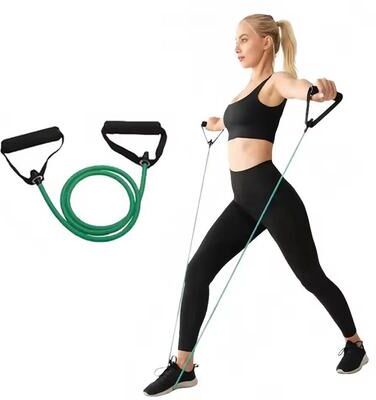
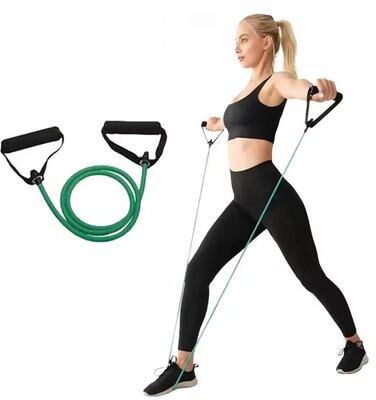
Multisell Products Hub Exercise Workout Fitness Band With Handles, Pull Rope For Strength Training, Resistance Bands For Men And Women At Home Exercise Workout Fitness Band With Handles, Pull Rope For Strength Training, Resistance Bands For Men And WomenGet Fit at Home with Resistance Bands Achieve your fitness goals without leaving the house! These Resistance Bands With Handles are perfect for both beginners and seasoned athletes. Designed for strength training, these bands offer a convenient,...29,97 $*Shipping: 0,00 $Secure redirect to the provider
-
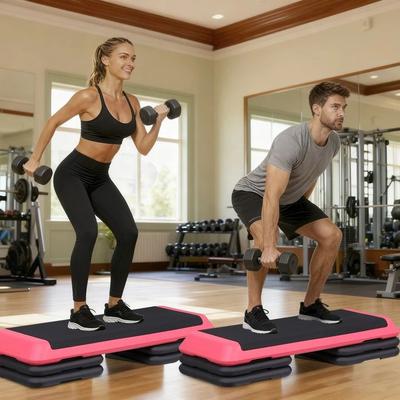
Multicon Wholesale Hub Aerobic Stepper, Adjustable Training Exercise Platform, Workout Step For Fitness, Pink Home Exercise Equipment Aerobic Stepper, Adjustable Training Exercise Platform, Workout Step For Fitness, Pink Home Exercise EquipmentElevate your fitness routine with the adjustable aerobic stepper, a musthave addition to your workout gear! Whether you're looking to lose weight, build muscle, or improve cardiovascular fitness, this stepper is your ideal workout companion. Perfect...124,97 $*Shipping: 0,00 $Secure redirect to the provider
-
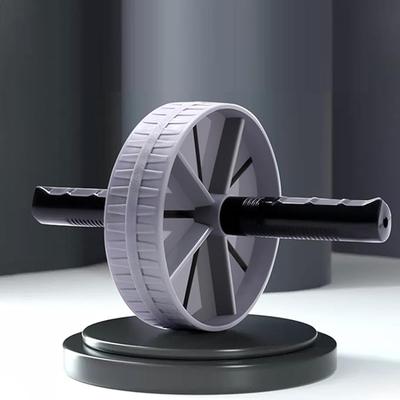
Healfit Counter Home Fitness Equipment, Abdominal Muscle Roller, ABS, Muscle Training, Weight Loss, Core Strength, Gym Accessories Home Fitness Equipment, Abdominal Muscle Roller, ABS, Muscle Training, Weight Loss, Core Strength, Gym AccessoriesTransform your home workouts with the Abdominal Muscle Roller crafted from durable ABS material. Designed to maximize your core strength, this versatile home fitness equipment is perfect for anyone looking to tone their abs, strengthen muscles, and...23,97 $*Shipping: 0,00 $Secure redirect to the provider
-
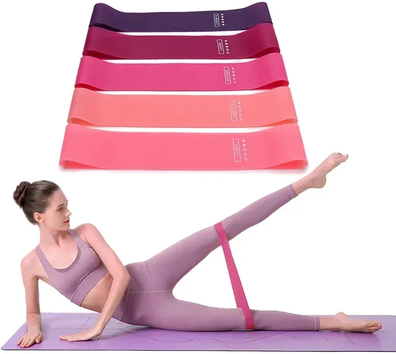
Multisell Products Hub Resistance Bands For Fitness, Workout Equipment For Crossfit, Gym Strength Training Resistance Bands For Fitness, Workout Equipment For Crossfit, Gym Strength TrainingMaximize Your Workout Potential Take your fitness journey to the 5 pcs next level with our Elastic Bands for Fitness. Designed to enhance your strength training, these resistance bands are perfect for all fitness levels, from beginners to seasoned...34,97 $*Shipping: 0,00 $Secure redirect to the provider
-
What is the resultant vector with two lengths and angles?
The resultant vector with two lengths and angles is the single vector that represents the combined effect of the two original vectors. To find the resultant vector, we use the parallelogram law of vector addition, which involves adding the two vectors tip to tail and then drawing the diagonal of the parallelogram formed. The length and angle of the resultant vector can be calculated using trigonometric functions such as sine and cosine. This resultant vector represents the combined effect of the original vectors in terms of both magnitude and direction. **
-
What formula do I use to calculate the resultant force?
To calculate the resultant force, you can use the formula: Resultant force = √(Fx^2 + Fy^2) Where Fx is the force in the x-direction and Fy is the force in the y-direction. This formula is derived from the Pythagorean theorem, which states that the magnitude of the resultant force is equal to the square root of the sum of the squares of the individual forces in each direction. **
-
What is the angle when two forces form a resultant?
When two forces form a resultant, the angle between the two forces can be found using the law of cosines. The angle can be calculated using the formula: cos(θ) = (F1^2 + F2^2 - R^2) / (2 * F1 * F2), where F1 and F2 are the magnitudes of the two forces and R is the magnitude of the resultant force. This angle represents the direction of the resultant force in relation to the original forces. **
-
What is the graphical resultant force of more than 3 forces?
The graphical resultant force of more than 3 forces is found by using the polygon method. This method involves drawing the forces as vectors with their tails at the same point, and then completing the polygon by drawing the final side from the head of the last vector to the tail of the first vector. The resultant force is then the vector that closes the polygon. This method allows us to find the magnitude and direction of the resultant force by using vector addition. **

How do you calculate the resultant force without using the cosine law?
To calculate the resultant force without using the cosine law, you can use the Pythagorean theorem. First, you would calculate the horizontal and vertical components of the forces. Then, you would use the Pythagorean theorem to find the magnitude of the resultant force by taking the square root of the sum of the squares of the horizontal and vertical components. Finally, you can use trigonometric functions to find the direction of the resultant force. **
What is muscle trembling during strength training?
Muscle trembling during strength training, also known as muscle tremors or muscle shakes, is a common occurrence during intense or challenging workouts. It is often a result of the muscles being pushed to their limits and fatigued. Muscle trembling can be a sign that the muscles are working hard and adapting to the stress placed on them. It is a natural response of the body to the increased demand for strength and endurance during exercise. **
Top-Angebote
Products related to Resultant:
-
Inspire Essentials Adjustable Weighted Workout Vest For Running Strength Training Fitness Adjustable Weighted Workout Vest For Running Strength Training FitnessFeel stronger with every workout using this comfortable weighted workout vest. Designed for runners, fitness enthusiasts, and anyone looking to add resistance to their training, it helps improve endurance, strength, and overall performance. The...53,98 $*Shipping: 0,00 $Secure redirect to the provider
-
Inspire Daily Merch Exercise Workout Fitness Band, Resistance Bands With Handles, Pull Rope For Strength Training At Home For Men Women Exercise Workout Fitness Band, Resistance Bands With Handles, Pull Rope For Strength Training At Home For Men WomenUltimate Home Workout Solution Transform your home into a personal gym with our resistance bands with handles. Designed for men and women, these bands provide versatile strength training, muscle toning, and fullbody workouts without bulky equipment....29,97 $*Shipping: 0,00 $Secure redirect to the provider
-
Multisell Products Hub Exercise Workout Fitness Band With Handles, Pull Rope For Strength Training, Resistance Bands For Men And Women At Home Exercise Workout Fitness Band With Handles, Pull Rope For Strength Training, Resistance Bands For Men And WomenGet Fit at Home with Resistance Bands Achieve your fitness goals without leaving the house! These Resistance Bands With Handles are perfect for both beginners and seasoned athletes. Designed for strength training, these bands offer a convenient,...29,97 $*Shipping: 0,00 $Secure redirect to the provider
-
Multicon Wholesale Hub Aerobic Stepper, Adjustable Training Exercise Platform, Workout Step For Fitness, Pink Home Exercise Equipment Aerobic Stepper, Adjustable Training Exercise Platform, Workout Step For Fitness, Pink Home Exercise EquipmentElevate your fitness routine with the adjustable aerobic stepper, a musthave addition to your workout gear! Whether you're looking to lose weight, build muscle, or improve cardiovascular fitness, this stepper is your ideal workout companion. Perfect...124,97 $*Shipping: 0,00 $Secure redirect to the provider
-
What is a resultant wave in physics?
In physics, a resultant wave is the combination of two or more individual waves that are superimposed on each other. When waves with different amplitudes, frequencies, or phases overlap, they create a new wave pattern known as the resultant wave. The properties of the resultant wave, such as its amplitude, frequency, and phase, are determined by the properties of the individual waves that combine to form it. Resultant waves are important in understanding phenomena such as interference, diffraction, and standing waves. **
-
What is the resultant of a triangular load?
The resultant of a triangular load is the single force that can replace the distributed load while producing the same effect on the structure. It is the equivalent concentrated force that acts at a specific point on the structure. The magnitude and direction of the resultant force depend on the shape and intensity of the triangular load. Calculating the resultant force is important in structural analysis to simplify the analysis of complex loads. **
-
What is the resultant vector with two lengths and angles?
The resultant vector with two lengths and angles is the single vector that represents the combined effect of the two original vectors. To find the resultant vector, we use the parallelogram law of vector addition, which involves adding the two vectors tip to tail and then drawing the diagonal of the parallelogram formed. The length and angle of the resultant vector can be calculated using trigonometric functions such as sine and cosine. This resultant vector represents the combined effect of the original vectors in terms of both magnitude and direction. **
-
What formula do I use to calculate the resultant force?
To calculate the resultant force, you can use the formula: Resultant force = √(Fx^2 + Fy^2) Where Fx is the force in the x-direction and Fy is the force in the y-direction. This formula is derived from the Pythagorean theorem, which states that the magnitude of the resultant force is equal to the square root of the sum of the squares of the individual forces in each direction. **
Similar search terms for Resultant
-
Healfit Counter Home Fitness Equipment, Abdominal Muscle Roller, ABS, Muscle Training, Weight Loss, Core Strength, Gym Accessories Home Fitness Equipment, Abdominal Muscle Roller, ABS, Muscle Training, Weight Loss, Core Strength, Gym AccessoriesTransform your home workouts with the Abdominal Muscle Roller crafted from durable ABS material. Designed to maximize your core strength, this versatile home fitness equipment is perfect for anyone looking to tone their abs, strengthen muscles, and...23,97 $*Shipping: 0,00 $Secure redirect to the provider
-
Multisell Products Hub Resistance Bands For Fitness, Workout Equipment For Crossfit, Gym Strength Training Resistance Bands For Fitness, Workout Equipment For Crossfit, Gym Strength TrainingMaximize Your Workout Potential Take your fitness journey to the 5 pcs next level with our Elastic Bands for Fitness. Designed to enhance your strength training, these resistance bands are perfect for all fitness levels, from beginners to seasoned...34,97 $*Shipping: 0,00 $Secure redirect to the provider
-
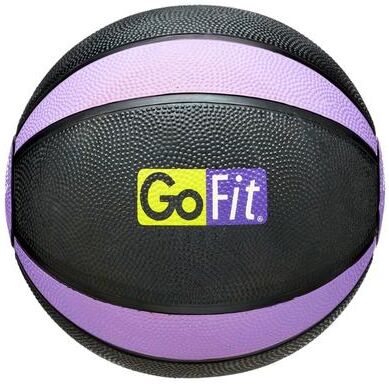
Drop Dash Deals Medicine Ball For Strength Training Easy Grip Rubber Slam Ball Fitness Workout Medicine Ball For Strength Training Easy Grip Rubber Slam Ball Fitness WorkoutPush past your limits and train with purpose using this 1pc medicine ball designed for powerful, fullbody workouts. Built for athletes, fitness enthusiasts, and home gym users, this weighted exercise ball delivers the perfect balance of strength and...79,97 $*Shipping: 0,00 $Secure redirect to the provider
-
Rare Purchases Medicine Ball Training Manual Set, 6 Lb Textured Medicine Ball With Exercise Guide, Strength Training Workout Ball Medicine Ball Training Manual Set, 6 Lb Textured Medicine Ball With Exercise Guide, Strength Training Workout BallTrain Smarter with the Medicine Ball Training Manual Set Upgrade your home workouts with the Medicine Ball Training Manual Set designed to help you improve strength, coordination, and endurance. Whether you are a beginner or an experienced fitness...73,97 $*Shipping: 0,00 $Secure redirect to the provider
-
What is the angle when two forces form a resultant?
When two forces form a resultant, the angle between the two forces can be found using the law of cosines. The angle can be calculated using the formula: cos(θ) = (F1^2 + F2^2 - R^2) / (2 * F1 * F2), where F1 and F2 are the magnitudes of the two forces and R is the magnitude of the resultant force. This angle represents the direction of the resultant force in relation to the original forces. **
-
What is the graphical resultant force of more than 3 forces?
The graphical resultant force of more than 3 forces is found by using the polygon method. This method involves drawing the forces as vectors with their tails at the same point, and then completing the polygon by drawing the final side from the head of the last vector to the tail of the first vector. The resultant force is then the vector that closes the polygon. This method allows us to find the magnitude and direction of the resultant force by using vector addition. **
-
How do you calculate the resultant force without using the cosine law?
To calculate the resultant force without using the cosine law, you can use the Pythagorean theorem. First, you would calculate the horizontal and vertical components of the forces. Then, you would use the Pythagorean theorem to find the magnitude of the resultant force by taking the square root of the sum of the squares of the horizontal and vertical components. Finally, you can use trigonometric functions to find the direction of the resultant force. **
-
What is muscle trembling during strength training?
Muscle trembling during strength training, also known as muscle tremors or muscle shakes, is a common occurrence during intense or challenging workouts. It is often a result of the muscles being pushed to their limits and fatigued. Muscle trembling can be a sign that the muscles are working hard and adapting to the stress placed on them. It is a natural response of the body to the increased demand for strength and endurance during exercise. **
* All prices are inclusive of VAT and, if applicable, plus shipping costs. The offer information is based on the details provided by the respective shop and is updated through automated processes. Real-time updates do not occur, so deviations can occur in individual cases. ** Note: Parts of this content were created by AI.