Buy enlargeyourmuscle.eu ?
We are moving the project
enlargeyourmuscle.eu .
Are you interested in purchasing the domain
enlargeyourmuscle.eu ?
domain@kv-gmbh.de · 0541-91531010
Buy enlargeyourmuscle.eu ?
How do you calculate resistances?
To calculate resistance in a circuit, you can use Ohm's law, which states that resistance (R) is equal to the voltage (V) across the circuit divided by the current (I) flowing through it. So, the formula for calculating resistance is R = V/I. You can also use the formula R = ρ * (L/A), where ρ is the resistivity of the material, L is the length of the conductor, and A is the cross-sectional area of the conductor. By using these formulas and the given values of voltage, current, resistivity, length, and area, you can calculate the resistance in a circuit. **
Can caffeine resistances be reduced again?
Yes, caffeine resistances can be reduced again by gradually decreasing caffeine intake over time. This can help the body readjust to lower levels of caffeine and become less dependent on it. Additionally, incorporating healthy lifestyle habits such as getting enough sleep, staying hydrated, and managing stress can also help reduce caffeine resistances. It is important to consult with a healthcare professional before making any significant changes to caffeine consumption. **

Similar search terms for Resistances
Top-Angebote
Products related to Resistances:
-
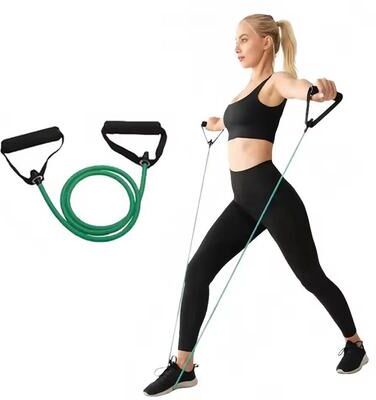
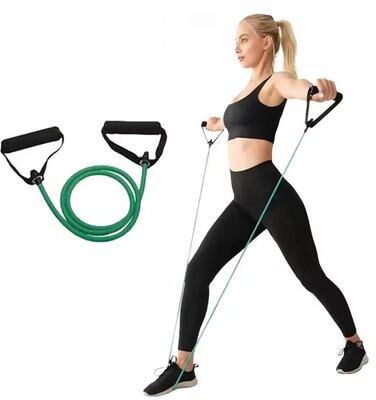
Multisell Products Hub Exercise Workout Fitness Band With Handles, Pull Rope For Strength Training, Resistance Bands For Men And Women At Home Exercise Workout Fitness Band With Handles, Pull Rope For Strength Training, Resistance Bands For Men And WomenGet Fit at Home with Resistance Bands Achieve your fitness goals without leaving the house! These Resistance Bands With Handles are perfect for both beginners and seasoned athletes. Designed for strength training, these bands offer a convenient,...29,97 $*Shipping: 0,00 $Secure redirect to the provider
-
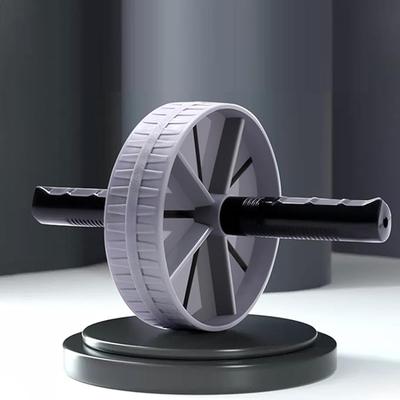
Healfit Counter Home Fitness Equipment, Abdominal Muscle Roller, ABS, Muscle Training, Weight Loss, Core Strength, Gym Accessories Home Fitness Equipment, Abdominal Muscle Roller, ABS, Muscle Training, Weight Loss, Core Strength, Gym AccessoriesTransform your home workouts with the Abdominal Muscle Roller crafted from durable ABS material. Designed to maximize your core strength, this versatile home fitness equipment is perfect for anyone looking to tone their abs, strengthen muscles, and...23,97 $*Shipping: 0,00 $Secure redirect to the provider
-
Multisell Products Hub Resistance Bands For Fitness, Workout Equipment For Crossfit, Gym Strength Training Resistance Bands For Fitness, Workout Equipment For Crossfit, Gym Strength TrainingMaximize Your Workout Potential Take your fitness journey to the 5 pcs next level with our Elastic Bands for Fitness. Designed to enhance your strength training, these resistance bands are perfect for all fitness levels, from beginners to seasoned...34,97 $*Shipping: 0,00 $Secure redirect to the provider
-
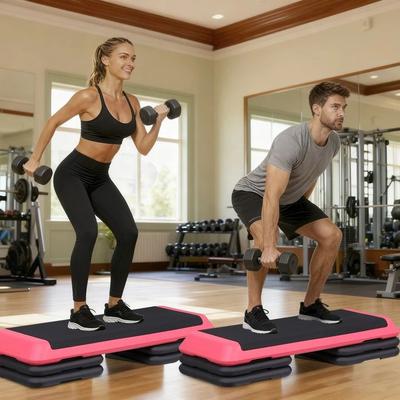
Multicon Wholesale Hub Aerobic Stepper, Adjustable Training Exercise Platform, Workout Step For Fitness, Pink Home Exercise Equipment Aerobic Stepper, Adjustable Training Exercise Platform, Workout Step For Fitness, Pink Home Exercise EquipmentElevate your fitness routine with the adjustable aerobic stepper, a musthave addition to your workout gear! Whether you're looking to lose weight, build muscle, or improve cardiovascular fitness, this stepper is your ideal workout companion. Perfect...124,97 $*Shipping: 0,00 $Secure redirect to the provider

-
How do you calculate equivalent resistances?
To calculate equivalent resistances in a series circuit, you simply add up the resistances of each component. In a parallel circuit, you use the formula 1/Req = 1/R1 + 1/R2 + 1/R3 + ..., where Req is the equivalent resistance and R1, R2, R3, etc. are the individual resistances. For more complex circuits, you can use a combination of series and parallel rules to simplify the circuit and find the equivalent resistance. **
-
How do you calculate the total resistances?
To calculate the total resistance in a series circuit, you simply add up all the individual resistances. In a parallel circuit, you use the formula 1/Rtotal = 1/R1 + 1/R2 + 1/R3 + ... where R1, R2, R3, etc. are the individual resistances. Once you have calculated the total resistance, you can use Ohm's Law (V = IR) to determine the current flowing through the circuit. **
-
What are the resistances in different circuits?
In different circuits, resistances can be found in various forms. In a series circuit, the total resistance is the sum of individual resistances. In a parallel circuit, the total resistance is less than the smallest individual resistance. Additionally, resistors can be used to intentionally limit the flow of current in a circuit. Overall, resistances in different circuits serve to control the flow of current and voltage, and can be used to achieve specific electrical characteristics in a circuit. **
-
What are forces and resistances in physics?
Forces in physics are interactions that cause an object to accelerate, change direction, or deform. They can be classified as contact forces, such as friction and tension, or as field forces, such as gravity and electromagnetic forces. Resistances, on the other hand, are forces that oppose the motion of an object. These can include air resistance, friction, and drag. In physics, understanding forces and resistances is crucial for analyzing the motion and behavior of objects in various situations. **


What resistances do the heating coils have?
The heating coils have electrical resistance, which is the opposition to the flow of electric current. This resistance causes the coils to heat up as the current passes through them, allowing them to generate heat. The resistance of the heating coils can be measured in ohms, and it determines how much heat the coils can produce at a given voltage. **
How high are the resistances in watts?
The resistance in watts depends on the specific circuit or component in question. Resistance is typically measured in ohms, not watts. However, the power dissipated by a resistor, which is measured in watts, can be calculated using the formula P = I^2 * R, where P is power in watts, I is current in amperes, and R is resistance in ohms. So, the resistance itself is not measured in watts, but the power dissipated by the resistance can be calculated in watts. **
Top-Angebote
Products related to Resistances:
-
Inspire Essentials Adjustable Weighted Workout Vest For Running Strength Training Fitness Adjustable Weighted Workout Vest For Running Strength Training FitnessFeel stronger with every workout using this comfortable weighted workout vest. Designed for runners, fitness enthusiasts, and anyone looking to add resistance to their training, it helps improve endurance, strength, and overall performance. The...53,98 $*Shipping: 0,00 $Secure redirect to the provider
-
Inspire Daily Merch Exercise Workout Fitness Band, Resistance Bands With Handles, Pull Rope For Strength Training At Home For Men Women Exercise Workout Fitness Band, Resistance Bands With Handles, Pull Rope For Strength Training At Home For Men WomenUltimate Home Workout Solution Transform your home into a personal gym with our resistance bands with handles. Designed for men and women, these bands provide versatile strength training, muscle toning, and fullbody workouts without bulky equipment....29,97 $*Shipping: 0,00 $Secure redirect to the provider
-
Multisell Products Hub Exercise Workout Fitness Band With Handles, Pull Rope For Strength Training, Resistance Bands For Men And Women At Home Exercise Workout Fitness Band With Handles, Pull Rope For Strength Training, Resistance Bands For Men And WomenGet Fit at Home with Resistance Bands Achieve your fitness goals without leaving the house! These Resistance Bands With Handles are perfect for both beginners and seasoned athletes. Designed for strength training, these bands offer a convenient,...29,97 $*Shipping: 0,00 $Secure redirect to the provider
-
Healfit Counter Home Fitness Equipment, Abdominal Muscle Roller, ABS, Muscle Training, Weight Loss, Core Strength, Gym Accessories Home Fitness Equipment, Abdominal Muscle Roller, ABS, Muscle Training, Weight Loss, Core Strength, Gym AccessoriesTransform your home workouts with the Abdominal Muscle Roller crafted from durable ABS material. Designed to maximize your core strength, this versatile home fitness equipment is perfect for anyone looking to tone their abs, strengthen muscles, and...23,97 $*Shipping: 0,00 $Secure redirect to the provider
-
How do you calculate resistances?
To calculate resistance in a circuit, you can use Ohm's law, which states that resistance (R) is equal to the voltage (V) across the circuit divided by the current (I) flowing through it. So, the formula for calculating resistance is R = V/I. You can also use the formula R = ρ * (L/A), where ρ is the resistivity of the material, L is the length of the conductor, and A is the cross-sectional area of the conductor. By using these formulas and the given values of voltage, current, resistivity, length, and area, you can calculate the resistance in a circuit. **
-
Can caffeine resistances be reduced again?
Yes, caffeine resistances can be reduced again by gradually decreasing caffeine intake over time. This can help the body readjust to lower levels of caffeine and become less dependent on it. Additionally, incorporating healthy lifestyle habits such as getting enough sleep, staying hydrated, and managing stress can also help reduce caffeine resistances. It is important to consult with a healthcare professional before making any significant changes to caffeine consumption. **
-
How do you calculate equivalent resistances?
To calculate equivalent resistances in a series circuit, you simply add up the resistances of each component. In a parallel circuit, you use the formula 1/Req = 1/R1 + 1/R2 + 1/R3 + ..., where Req is the equivalent resistance and R1, R2, R3, etc. are the individual resistances. For more complex circuits, you can use a combination of series and parallel rules to simplify the circuit and find the equivalent resistance. **
-
How do you calculate the total resistances?
To calculate the total resistance in a series circuit, you simply add up all the individual resistances. In a parallel circuit, you use the formula 1/Rtotal = 1/R1 + 1/R2 + 1/R3 + ... where R1, R2, R3, etc. are the individual resistances. Once you have calculated the total resistance, you can use Ohm's Law (V = IR) to determine the current flowing through the circuit. **
Similar search terms for Resistances
-
Multisell Products Hub Resistance Bands For Fitness, Workout Equipment For Crossfit, Gym Strength Training Resistance Bands For Fitness, Workout Equipment For Crossfit, Gym Strength TrainingMaximize Your Workout Potential Take your fitness journey to the 5 pcs next level with our Elastic Bands for Fitness. Designed to enhance your strength training, these resistance bands are perfect for all fitness levels, from beginners to seasoned...34,97 $*Shipping: 0,00 $Secure redirect to the provider
-
Multicon Wholesale Hub Aerobic Stepper, Adjustable Training Exercise Platform, Workout Step For Fitness, Pink Home Exercise Equipment Aerobic Stepper, Adjustable Training Exercise Platform, Workout Step For Fitness, Pink Home Exercise EquipmentElevate your fitness routine with the adjustable aerobic stepper, a musthave addition to your workout gear! Whether you're looking to lose weight, build muscle, or improve cardiovascular fitness, this stepper is your ideal workout companion. Perfect...124,97 $*Shipping: 0,00 $Secure redirect to the provider
-
Drop Dash Deals Medicine Ball For Strength Training Easy Grip Rubber Slam Ball Fitness Workout Medicine Ball For Strength Training Easy Grip Rubber Slam Ball Fitness WorkoutPush past your limits and train with purpose using this 1pc medicine ball designed for powerful, fullbody workouts. Built for athletes, fitness enthusiasts, and home gym users, this weighted exercise ball delivers the perfect balance of strength and...79,97 $*Shipping: 0,00 $Secure redirect to the provider
-
Rare Purchases Medicine Ball Training Manual Set, 6 Lb Textured Medicine Ball With Exercise Guide, Strength Training Workout Ball Medicine Ball Training Manual Set, 6 Lb Textured Medicine Ball With Exercise Guide, Strength Training Workout BallTrain Smarter with the Medicine Ball Training Manual Set Upgrade your home workouts with the Medicine Ball Training Manual Set designed to help you improve strength, coordination, and endurance. Whether you are a beginner or an experienced fitness...73,97 $*Shipping: 0,00 $Secure redirect to the provider
-
What are the resistances in different circuits?
In different circuits, resistances can be found in various forms. In a series circuit, the total resistance is the sum of individual resistances. In a parallel circuit, the total resistance is less than the smallest individual resistance. Additionally, resistors can be used to intentionally limit the flow of current in a circuit. Overall, resistances in different circuits serve to control the flow of current and voltage, and can be used to achieve specific electrical characteristics in a circuit. **
-
What are forces and resistances in physics?
Forces in physics are interactions that cause an object to accelerate, change direction, or deform. They can be classified as contact forces, such as friction and tension, or as field forces, such as gravity and electromagnetic forces. Resistances, on the other hand, are forces that oppose the motion of an object. These can include air resistance, friction, and drag. In physics, understanding forces and resistances is crucial for analyzing the motion and behavior of objects in various situations. **
-
What resistances do the heating coils have?
The heating coils have electrical resistance, which is the opposition to the flow of electric current. This resistance causes the coils to heat up as the current passes through them, allowing them to generate heat. The resistance of the heating coils can be measured in ohms, and it determines how much heat the coils can produce at a given voltage. **
-
How high are the resistances in watts?
The resistance in watts depends on the specific circuit or component in question. Resistance is typically measured in ohms, not watts. However, the power dissipated by a resistor, which is measured in watts, can be calculated using the formula P = I^2 * R, where P is power in watts, I is current in amperes, and R is resistance in ohms. So, the resistance itself is not measured in watts, but the power dissipated by the resistance can be calculated in watts. **
* All prices are inclusive of VAT and, if applicable, plus shipping costs. The offer information is based on the details provided by the respective shop and is updated through automated processes. Real-time updates do not occur, so deviations can occur in individual cases. ** Note: Parts of this content were created by AI.