Buy enlargeyourmuscle.eu ?
We are moving the project
enlargeyourmuscle.eu .
Are you interested in purchasing the domain
enlargeyourmuscle.eu ?
domain@kv-gmbh.de · 0541-91531010
Buy enlargeyourmuscle.eu ?
What is muscle trembling during strength training?
Muscle trembling during strength training, also known as muscle tremors or muscle shakes, is a common occurrence during intense or challenging workouts. It is often a result of the muscles being pushed to their limits and fatigued. Muscle trembling can be a sign that the muscles are working hard and adapting to the stress placed on them. It is a natural response of the body to the increased demand for strength and endurance during exercise. **
What is the difference between muscle training and strength training?
Muscle training and strength training are often used interchangeably, but there is a subtle difference between the two. Muscle training focuses on building and toning specific muscle groups, often through exercises that target those muscles directly. On the other hand, strength training is a broader term that encompasses any type of exercise that aims to increase overall strength, including muscle training but also incorporating exercises that target multiple muscle groups and improve overall functional strength. In essence, muscle training is a subset of strength training, with a more specific focus on building and defining muscles. **
Similar search terms for Healfit-Counter-Muscle-Training
Top-Angebote
Products related to Healfit-Counter-Muscle-Training:
-
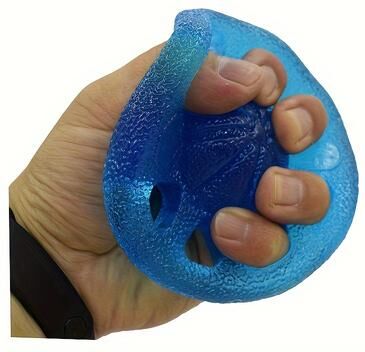
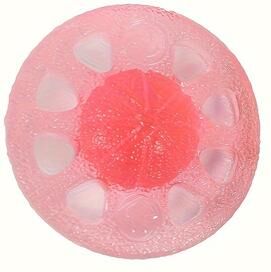
Healfit Counter Grip Ball, TPE Hand Exercise Band, Stretching Tool, Muscle Building, Rehabilitation Training, Grip Strength Improvement blueElevate your hand and forearm strength with the TPE Hand Exercise Band & 8Hole Grip Ball. Perfectly designed for muscle building, rehabilitation training, and stretching, this versatile tool enhances grip strength while promoting dexterity and...27,97 $*Shipping: 0,00 $Secure redirect to the provider
-
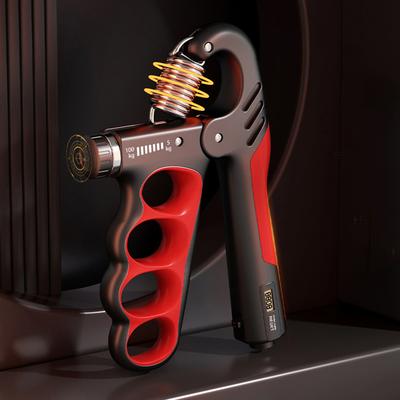
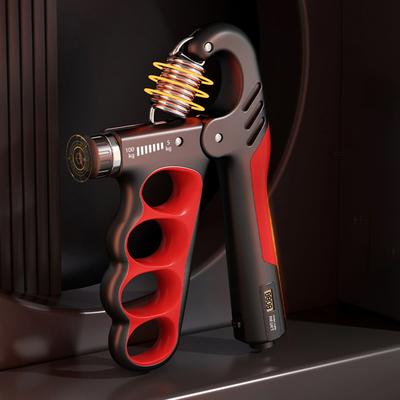
Healfit Counter Adjustable Resistance Hand Gripper For Muscle Building, Strength Trainer Wrist Expander For Fitness Gym Training redEnhance Your Workout Routine with the Strength Trainer Wrist Expander Take your fitness training to the next level with the Strength Trainer Wrist Expander Adjustable Resistance Hand Gripper. Perfect for muscle building and recovery, this tool is...49,97 $*Shipping: 0,00 $Secure redirect to the provider
-
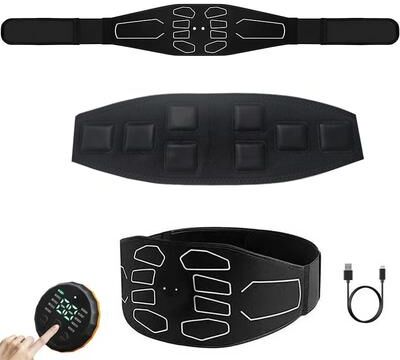
Healfit Counter Muscle Training EMS Trainer, ABS Fitness Belt, USB Rechargeable Muscle Stimulator Home Gym For Men And Women Muscle Training EMS Trainer, ABS Fitness Belt, USB Rechargeable Muscle Stimulator Home Gym For Men And WomenAchieve a stronger, more defined core effortlessly with the ABS Fitness Belt Muscle Training EMS Trainer your portable, hightech workout partner designed to tone and strengthen muscles without the need for heavy equipment. This USB Rechargeable...99,97 $*Shipping: 0,00 $Secure redirect to the provider
-
Healfit Counter Grip Strength Training Ball, Hand Therapy & Muscle Recovery, Finger Fitness & Arm Strengthener Hand Trainer Stretch Ball 10lb Blue ClothExperience stronger grip, faster recovery, and greater hand endurance with our premium Hand Therapy Grip Strengthener Ball your goto solution for muscle recovery, finger mobility, and arm fitness. Why Youll Love It Enhanced Grip & Arm Strength Use...24,97 $*Shipping: 0,00 $Secure redirect to the provider


-
What is the difference between strength training and muscle building training?
Strength training focuses on increasing the body's ability to exert force against resistance, which can lead to improvements in muscle strength, endurance, and power. Muscle building training, on the other hand, specifically targets the growth and development of muscle size and mass through exercises that create muscle hypertrophy. While strength training can contribute to muscle building, muscle building training is more focused on achieving larger muscle size and mass. Both types of training can complement each other and are important for overall physical fitness and health. **
-
Can muscle shrinkage be caused by strength training?
No, muscle shrinkage is not caused by strength training. In fact, strength training is designed to increase muscle size and strength by stimulating muscle growth through resistance exercises. Muscle shrinkage, also known as muscle atrophy, is typically caused by a lack of physical activity, prolonged bed rest, or certain medical conditions. Strength training, on the other hand, can help prevent muscle atrophy and promote muscle growth and maintenance. **
-
What causes muscle soreness after abdominal muscle training?
Muscle soreness after abdominal muscle training is caused by microscopic damage to the muscle fibers. When you engage in exercises that target the abdominal muscles, such as crunches or planks, you are essentially causing small tears in the muscle fibers. This damage triggers an inflammatory response in the body, leading to soreness and discomfort. As the muscles repair and rebuild themselves, they become stronger and more resilient, leading to improved muscle tone and strength over time. **
-
Is muscle soreness after strength training good or bad?
Muscle soreness after strength training is a normal response to the stress placed on the muscles during exercise. It is generally a sign that the muscles are adapting and getting stronger. However, excessive or prolonged muscle soreness can be a sign of overtraining or improper recovery, which can lead to injury. Therefore, while some muscle soreness is a natural part of the muscle-building process, it is important to listen to your body and ensure proper rest and recovery to avoid potential negative effects. **
Which muscle groups are trained together during strength training?
During strength training, muscle groups are often trained together based on their functional relationships and movement patterns. For example, the chest, shoulders, and triceps are often trained together during exercises like bench press and push-ups. Similarly, the back, biceps, and forearms are often trained together during exercises like pull-ups and rows. Additionally, the quadriceps, hamstrings, and glutes are often trained together during exercises like squats and lunges. By training these muscle groups together, it allows for efficient and effective workouts that target multiple muscles at once. **
Should one continue with strength training despite muscle soreness?
Yes, one can continue with strength training despite muscle soreness. It is normal to experience muscle soreness after a workout, especially if you are new to strength training or have increased the intensity of your workouts. Continuing with strength training can actually help alleviate muscle soreness over time as your body adapts to the exercises. It is important to listen to your body and adjust the intensity or type of exercises if the soreness is severe or affecting your ability to perform the movements properly. Additionally, incorporating rest days and proper recovery techniques such as stretching, foam rolling, and adequate nutrition can help manage muscle soreness and support your strength training routine. **
Top-Angebote
Products related to Healfit-Counter-Muscle-Training:
-
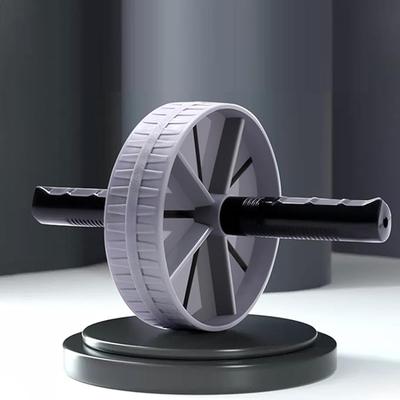
Healfit Counter Home Fitness Equipment, Abdominal Muscle Roller, ABS, Muscle Training, Weight Loss, Core Strength, Gym Accessories Home Fitness Equipment, Abdominal Muscle Roller, ABS, Muscle Training, Weight Loss, Core Strength, Gym AccessoriesTransform your home workouts with the Abdominal Muscle Roller crafted from durable ABS material. Designed to maximize your core strength, this versatile home fitness equipment is perfect for anyone looking to tone their abs, strengthen muscles, and...23,97 $*Shipping: 0,00 $Secure redirect to the provider
-
Healfit Counter Fitness Equipment Muscle Toner, Abdominal Massager Waist Belt, Abdominal Muscle Training For Weight Loss Fitness Equipment Muscle Toner, Abdominal Massager Waist Belt, Abdominal Muscle Training For Weight LossAchieve a stronger, more defined core without spending hours at the gym. Our Abdominal Massager Waist Belt is designed to give you an effective abdominal muscle training session right from the comfort of your home. This innovative fitness equipment...32,97 $*Shipping: 0,00 $Secure redirect to the provider
-
Healfit Counter Grip Ball, TPE Hand Exercise Band, Stretching Tool, Muscle Building, Rehabilitation Training, Grip Strength Improvement blueElevate your hand and forearm strength with the TPE Hand Exercise Band & 8Hole Grip Ball. Perfectly designed for muscle building, rehabilitation training, and stretching, this versatile tool enhances grip strength while promoting dexterity and...27,97 $*Shipping: 0,00 $Secure redirect to the provider
-
Healfit Counter Adjustable Resistance Hand Gripper For Muscle Building, Strength Trainer Wrist Expander For Fitness Gym Training redEnhance Your Workout Routine with the Strength Trainer Wrist Expander Take your fitness training to the next level with the Strength Trainer Wrist Expander Adjustable Resistance Hand Gripper. Perfect for muscle building and recovery, this tool is...49,97 $*Shipping: 0,00 $Secure redirect to the provider
-
What is muscle trembling during strength training?
Muscle trembling during strength training, also known as muscle tremors or muscle shakes, is a common occurrence during intense or challenging workouts. It is often a result of the muscles being pushed to their limits and fatigued. Muscle trembling can be a sign that the muscles are working hard and adapting to the stress placed on them. It is a natural response of the body to the increased demand for strength and endurance during exercise. **
-
What is the difference between muscle training and strength training?
Muscle training and strength training are often used interchangeably, but there is a subtle difference between the two. Muscle training focuses on building and toning specific muscle groups, often through exercises that target those muscles directly. On the other hand, strength training is a broader term that encompasses any type of exercise that aims to increase overall strength, including muscle training but also incorporating exercises that target multiple muscle groups and improve overall functional strength. In essence, muscle training is a subset of strength training, with a more specific focus on building and defining muscles. **
-
What is the difference between strength training and muscle building training?
Strength training focuses on increasing the body's ability to exert force against resistance, which can lead to improvements in muscle strength, endurance, and power. Muscle building training, on the other hand, specifically targets the growth and development of muscle size and mass through exercises that create muscle hypertrophy. While strength training can contribute to muscle building, muscle building training is more focused on achieving larger muscle size and mass. Both types of training can complement each other and are important for overall physical fitness and health. **
-
Can muscle shrinkage be caused by strength training?
No, muscle shrinkage is not caused by strength training. In fact, strength training is designed to increase muscle size and strength by stimulating muscle growth through resistance exercises. Muscle shrinkage, also known as muscle atrophy, is typically caused by a lack of physical activity, prolonged bed rest, or certain medical conditions. Strength training, on the other hand, can help prevent muscle atrophy and promote muscle growth and maintenance. **
Similar search terms for Healfit-Counter-Muscle-Training
-
Healfit Counter Muscle Training EMS Trainer, ABS Fitness Belt, USB Rechargeable Muscle Stimulator Home Gym For Men And Women Muscle Training EMS Trainer, ABS Fitness Belt, USB Rechargeable Muscle Stimulator Home Gym For Men And WomenAchieve a stronger, more defined core effortlessly with the ABS Fitness Belt Muscle Training EMS Trainer your portable, hightech workout partner designed to tone and strengthen muscles without the need for heavy equipment. This USB Rechargeable...99,97 $*Shipping: 0,00 $Secure redirect to the provider
-
Healfit Counter Grip Strength Training Ball, Hand Therapy & Muscle Recovery, Finger Fitness & Arm Strengthener Hand Trainer Stretch Ball 10lb Blue ClothExperience stronger grip, faster recovery, and greater hand endurance with our premium Hand Therapy Grip Strengthener Ball your goto solution for muscle recovery, finger mobility, and arm fitness. Why Youll Love It Enhanced Grip & Arm Strength Use...24,97 $*Shipping: 0,00 $Secure redirect to the provider
-
Healfit Counter Grip Ball, TPE Hand Exercise Band, Stretching Tool, Muscle Building, Rehabilitation Training, Grip Strength Improvement redElevate your hand and forearm strength with the TPE Hand Exercise Band & 8Hole Grip Ball. Perfectly designed for muscle building, rehabilitation training, and stretching, this versatile tool enhances grip strength while promoting dexterity and...27,97 $*Shipping: 0,00 $Secure redirect to the provider
-
Healfit Counter Adjustable Resistance Hand Gripper For Muscle Building, Strength Trainer Wrist Expander For Fitness Gym Training greyEnhance Your Workout Routine with the Strength Trainer Wrist Expander Take your fitness training to the next level with the Strength Trainer Wrist Expander Adjustable Resistance Hand Gripper. Perfect for muscle building and recovery, this tool is...49,97 $*Shipping: 0,00 $Secure redirect to the provider
-
What causes muscle soreness after abdominal muscle training?
Muscle soreness after abdominal muscle training is caused by microscopic damage to the muscle fibers. When you engage in exercises that target the abdominal muscles, such as crunches or planks, you are essentially causing small tears in the muscle fibers. This damage triggers an inflammatory response in the body, leading to soreness and discomfort. As the muscles repair and rebuild themselves, they become stronger and more resilient, leading to improved muscle tone and strength over time. **
-
Is muscle soreness after strength training good or bad?
Muscle soreness after strength training is a normal response to the stress placed on the muscles during exercise. It is generally a sign that the muscles are adapting and getting stronger. However, excessive or prolonged muscle soreness can be a sign of overtraining or improper recovery, which can lead to injury. Therefore, while some muscle soreness is a natural part of the muscle-building process, it is important to listen to your body and ensure proper rest and recovery to avoid potential negative effects. **
-
Which muscle groups are trained together during strength training?
During strength training, muscle groups are often trained together based on their functional relationships and movement patterns. For example, the chest, shoulders, and triceps are often trained together during exercises like bench press and push-ups. Similarly, the back, biceps, and forearms are often trained together during exercises like pull-ups and rows. Additionally, the quadriceps, hamstrings, and glutes are often trained together during exercises like squats and lunges. By training these muscle groups together, it allows for efficient and effective workouts that target multiple muscles at once. **
-
Should one continue with strength training despite muscle soreness?
Yes, one can continue with strength training despite muscle soreness. It is normal to experience muscle soreness after a workout, especially if you are new to strength training or have increased the intensity of your workouts. Continuing with strength training can actually help alleviate muscle soreness over time as your body adapts to the exercises. It is important to listen to your body and adjust the intensity or type of exercises if the soreness is severe or affecting your ability to perform the movements properly. Additionally, incorporating rest days and proper recovery techniques such as stretching, foam rolling, and adequate nutrition can help manage muscle soreness and support your strength training routine. **
* All prices are inclusive of VAT and, if applicable, plus shipping costs. The offer information is based on the details provided by the respective shop and is updated through automated processes. Real-time updates do not occur, so deviations can occur in individual cases. ** Note: Parts of this content were created by AI.